Biomolecular Engineering Lab

]

the team

Dhadge, VL, Rosa S, Azevedo A, Aires-Barros R, Roque ACA.  2014.  Magnetic Aqueous Two Phase Fishing: An Hybrid Process Technology for Antibody Purification. J. Chromatogr. A. 1339:59-64. AbstractWebsite

The potential to combine aqueous two-phase extraction (ATPE) with magnetic separation was here investigated with the aim of developing a selective non-chromatographic method for the purification of antibodies from cell culture supernatants. Aqueous two-phase systems (ATPS) composed of polyethylene glycol (PEG) and dextran were supplemented with several surface modified magnetic particles (MPs) at distinct salt concentrations. The partition of pure human IgG in the upper and lower phases as well as the amount adsorbed at the MPs surface was investigated, indicating that MPs coated with dextran and gum Arabic established the lowest amount of non-specific interactions. The binding capacity of gum arabic coated particles modified with aminophenyl boronic acid (GA-APBA-MP) was were found to be excellent in combination with the ATPS system, yielding high yields of antibody recovery (92%) and purity (98%) from cell culture supernatants. The presence of MPs in the ATPS was found to speed up phase separation (from 40 to 25 min), to consume a lower amount of MPs (half of the amount needed in magnetic fishing) and to increase the yield and purity of a mAb purified from a cell culture supernatant, when compared with ATPE or magnetic fishing processes alone.

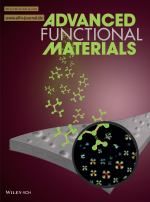
Barroso, T, Casimiro T, Ferraria A, Mattioli F, Aguiar-Ricardo A, Roque ACA.  2014.  Hybrid monoliths for magnetically-driven protein separations. Adv. Funct. Mater.. 24(28):4528–4541. AbstractWebsite

Monoliths represent powerful platforms for isolation of large molecules with high added value. This work presents a hybrid approach for antibody (Ab) capture and release. Using mostly natural polymers and clean processes, it is possible to create macroporous monoliths with well-defined porous networks, tuneable mechanical properties, and easy functionalization with a biomimetic ligand specific for Ab. Magnetic nanoparticles (MNPs) are embedded on the monolith network to confer a controlled magnetic response that facilitates and accelerates Ab recovery in the elution step. The hybrid monolithic systems prepared with agarose or chitosan/poly(vinyl alcohol) (PVA) blends exhibit promising binding capacities of Abs directly from cell-culture extracts (120 ± 10 mg Ab g−1 support) and controlled Ab magnetically-assisted elution yielding 95 ± 2% recovery. Moreover, a selective capture of mAbs directly from cell culture extracts is achieved yielding a final mAb preparation with 96% of purity.

Pina, AS, Guilherme M, Pereira AS, Fernandes CSM, Branco RJF, Lowe CR, Roque ACA.  2014.  A tailor made affinity pair “tag-receptor” for the purification of fusion proteins. ChemBioChem. 15(10):1423-35. AbstractWebsite

A novel affinity “tag–receptor” pair was developed as a generic platform for the purification of fusion proteins. The hexapeptide RKRKRK was selected as the affinity tag and fused to green fluorescent protein (GFP). The DNA fragments were designed, cloned in Pet-21c expression vector and expressed in E. coli host as soluble protein. A solid-phase combinatorial library based on the Ugi reaction was synthesized: 64 affinity ligands displaying complementary functionalities towards the designed tag. The library was screened by affinity chromatography in a 96-well format for binding to the RKRKRK-tagged GFP protein. Lead ligand A7C1 was selected for the purification of RKRKRK fusion proteins. The affinity pair RKRKRK-tagged GFP with A7C1 emerged as a promising solution (Ka of 2.45×10⁵ M−1). The specificity of the ligand towards the tag was observed experimentally and theoretically through automated docking and molecular dynamics simulations.

Congratulations, Dr. Telma Barroso

Our colleague Telma Barroso is already a Dr.!

She passed her Viva Voice Examination last 3rd January. We are very happy for her and wish her all the best!

Pina, AS, Lowe CR, Roque ACA.  2014.  Challenges and opportunities in the purification of recombinant tagged proteins. Biotechnology Advances. 32(2):366-381. AbstractWebsite

The purification of recombinant proteins by affinity chromatography is one of the most efficient strategies due to the high recovery yields and purity achieved. However, this is dependent on the availability of specific affinity adsorbents for each particular target protein. The diversity of proteins to be purified augments the complexity and number of specific affinity adsorbents needed, and therefore generic platforms for the purification of recombinant proteins are appealing strategies. This justifies why genetically encoded affinity tags became so popular for recombinant protein purification, as these systems only require specific ligands for the capture of the fusion protein through a pre-defined affinity tag tail. There is a wide range of available affinity pairs “tag-ligand” combining biological or structural affinity ligands with the respective binding tags. This review gives a general overview of the well-established “tag-ligand” systems available for fusion protein purification and also explores current unconventional strategies under development.

Barroso, T, Branco RJF, Aguiar‐Ricardo A, Roque ACA.  2014.  Structural evaluation of an alternative Protein A biomimetic ligand for antibody purification. Journal of Computer-Aided Molecular Design. 28(1):25-34. AbstractWebsite

Affinity chromatography is one of the most common techniques employed at the industrial-scale for antibody purification. In particular, the purification of human immunoglobulin G (hIgG) has gained relevance with the immobilization of its natural binding counterpart—Staphylococcus aureus Protein A (SpA) or with the recent development of biomimetic affinity ligands, namely triazine-based ligands. These ligands have been developed in order to overcome economic and leaching issues associated to SpA. The most recent triazine-based ligand—TPN-BM, came up as an analogue of 2-(3-amino-phenol)-6-(4-amino-1-naphthol)-4-chloro-sym-triazine ligand also known as ligand 22/8 with improved physico-chemical properties and a greener synthetic route. This work intends to evaluate the potential of TPN-BM as an alternative affinity ligand towards antibody recognition and binding, namely IgG, at an atomic level, since it has already been tested, after immobilization onto chitosan-based monoliths and demonstrated interesting affinity behaviour for this purpose. Herein, combining automated molecular docking and molecular dynamics simulations it was predicted that TPN-BM has high propensity to bind IgG through the same binding site found in the crystallographic structure of SpA_IgG complex, as well as theoretically predicted for ligand 22/8_IgG complex. Furthermore, it was found that TPN-BM established preferential interactions with aromatic residues at the Fab domain (Trp 50, Tyr 53, Tyr 98 and Trp 100), while in the Fc domain the main interactions are based on hydrogen bonds with pH sensitive residues at operational regime for binding and elution like histidines (His 460, His 464, His 466). Moreover, the pH dependence of TPN-BM_IgG complex formation was more evident for the Fc domain, where at pH 3 the protonation state and consequently the charge alteration of histidine residues located at the IgG binding site induced ligand detachment which explains the optimal elution condition at this pH observed experimentally.

Kadar, E, Batalha ÍL, Fisher A, Roque ACA.  2014.  The interaction of polymer-coated magnetic nanoparticles with seawater. Science of The Total Environment. 487:771-777. AbstractWebsite

Laboratory studies were conducted to evaluate the interaction between bare and polymer-coated magnetic nanoparticles (MNPs) with various environmentally relevant carrying solutions including natural oceanic seawater with and without addition of algal exopolymeric substances (EPS). The MNPs were coated with three different stabilising agents, namely gum Arabic (GA-MNP), dextran (D-MNP) and carboxymethyl-dextran (CMD-MNP). The colloidal stability of the suspensions was evaluated over 48 h and we demonstrated that: (i) hydrodynamic diameters increased over time regardless of carrying solution for all MNPs except the GA-coated ones; however, the relative changes were carrying solution- and coat-dependent; (ii) polydispersity indexes of the freshly suspended MNPs are below 0.5 for all coated MNPs, unlike the much higher values obtained for the uncoated MNPs; (iii) freshly prepared MNP suspensions (both coated and uncoated) in Milli-Q (MQ) water show high colloidal stability as indicated by zeta-potential values below -30 mV, which however decrease in absolute value within 48 h for all MNPs regardless of carrying solution; (iv) EPS seems to "stabilise" the GA-coated and the CMD-coated MNPs, but not the uncoated or the D-coated MNPs, which form larger aggregates within 48 h; (v) despite this aggregation, iron (Fe)-leaching from MNPs is sustained over 48h, but remained within the range of 3-9% of the total iron-content of the initially added MNPs regardless of suspension media and capping agent. The environmental implications of our findings and biotechnological applicability of MNPs are discussed.

Dhadge, VL, Hussain A, Azevedo AM, Aires-Barros MR, Roque ACA.  2014.  Boronic acid-modified magnetic materials for antibody purification. J. R. Soc. Interface. 11(91):20130875. AbstractWebsite

Aminophenyl boronic acids can form reversible covalent ester interactions with cis-diol-containing molecules, serving as a selective tool for binding glycoproteins as antibody molecules that possess oligosaccharides in both the Fv and Fc regions. In this study, amino phenyl boronic acid (APBA) magnetic particles (MPs) were applied for the magnetic separation of antibody molecules. Iron oxide MPs were firstly coated with dextran to avoid non-specific binding and then with 3-glycidyloxypropyl trimethoxysilane to allow further covalent coupling of APBA (APBA_MP). When contacted with pure protein solutions of human IgG (hIgG) and bovine serum albumin (BSA), APBA_MP bound 170 ± 10 mg hIgG g−1 MP and eluted 160 ± 5 mg hIgG g−1 MP, while binding only 15 ± 5 mg BSA g−1 MP. The affinity constant for the interaction between hIgG and APBA_MP was estimated as 4.9 × 10⁵ M−1 (Ka) with a theoretical maximum capacity of 492 mg hIgG adsorbed g−1 MP (Qmax), whereas control particles bound a negligible amount of hIgG and presented an estimated theoretical maximum capacity of 3.1 mg hIgG adsorbed g−1 MP (Qmax). APBA_MPs were also tested for antibody purification directly from CHO cell supernatants. The particles were able to bind 98% of IgG loaded and to recover 95% of pure IgG (purity greater than 98%) at extremely mild conditions.

Barroso, T, Lourenço A, Araújo M, Bonifácio VDB, Roque ACA, Aguiar-Ricardo A.  2013.  A green approach toward antibody purification: a sustainable biomimetic ligand for direct immobilization on (bio)polymeric supports. Journal of Molecular Recognition. 26(12):662-671.

Our lab won the NZYTech Christmas competition

This year, the company NZYTech organized a competition for the most original picture representing Christmas in the lab routine using NZYTech products and/or symbols.

We were the winners :)

Congratulations!

Cardoso, MM, Peça IN, Roque ACA.  2012.  Antibody-Conjugated Nanoparticles for Therapeutic Applications. Current Medicinal Chemistry. 19(19):3103-3127. AbstractWebsite

A great challenge to clinical development is the delivery of chemotherapeutic agents, known to cause severe toxic effects, directly to diseased sites which increase the therapeutic index whilst minimizing off-target side effects. Antibody-conjugated nanoparticles offer great opportunities to overcome these limitations in therapeutics. They combine the advantages given by the nanoparticles with the ability to bind to their target with high affinity and improve cell penetration given by the antibodies. This specialized vehicle, that can encapsulate several chemotherapeutic agents, can be engineered to possess the desirable properties, allowing overcoming the successive physiological conditions and to cross biological barriers and reach a specific tissue or cell. Moreover, antibody-conjugated nanoparticles have shown the ability to be internalized through receptor-mediated endocytosis and accumulate in cells without being recognized by the P-glycoprotein, one of the main mediators of multi-drug resistance, resulting in an increase in the intracellular concentration of drugs. Also, progress in antibody engineering has allowed the manipulation of the basic antibody structure for raising and tailoring specificity and functionality. This review explores recent developments on active drug targeting by nanoparticles functionalized with monoclonal antibodies (polymeric micelles, liposomes and polymeric nanoparticles) and summarizes the opportunities of these targeting strategies in the therapy of serious diseases (cancer, inflammatory diseases, infectious diseases, and thrombosis).

We have two open positions

Two positions are open for research in our group: a MSc. Scholarship ("Bolsa de Investigação para Mestre") and a BSc. Scholarship ("Bolsa de Investigação para Licenciado"). Applications are open until the 10th September.

More information is available here

Borlido, L, Moura L, Azevedo AM, Roque ACA, Aires‐Barros MR, Farinha JPS.  2013.  Stimuli‐Responsive magnetic nanoparticles for monoclonal antibody purification. Biotechnology Journal. 8(6):709–717. AbstractWebsite

Monoclonal antibodies (mAbs) are important therapeutic proteins. One of the challenges facing large-scale production of monoclonal antibodies is the capacity bottleneck in downstream processing, which can be circumvented by using magnetic stimuli-responsive polymer nanoparticles. In this work, stimuli-responsive magnetic particles composed of a magnetic poly(methyl methacrylate) core with a poly(N-isopropylacrylamide-co-acrylic acid) (P(NIPAM-co-AA)) shell cross-linked with N, N'-methylenebisacrylamide were prepared by miniemulsion polymerization. The particles were shown to have an average hydrodynamic diameter of 317 nm at 18°C, which decreased to 277 nm at 41°C due to the collapse of the thermo-responsive shell. The particles were superparamagnetic in behavior and exhibited a saturation magnetization of 12.6 emu/g. Subsequently, we evaluated the potential of these negatively charged stimuli-responsive magnetic particles in the purification of a monoclonal antibody from a diafiltered CHO cell culture supernatant by cation exchange. The adsorption of antibodies onto P(NIPAM-co-AA)-coated nanoparticles was highly selective and allowed for the recovery of approximately 94% of the mAb. Different elution strategies were employed providing highly pure mAb fractions with host cell protein (HCP) removal greater than 98%. By exploring the stimuli-responsive properties of the particles, shorter magnetic separation times were possible without significant differences in product yield and purity.

Barroso, T, Hussain A, Roque ACA, Aguiar‐Ricardo A.  2013.  Functional monolithic platforms: Chromatographic tools for antibody purification. Biotechnology journal. 8(6):671–681. AbstractWebsite

Polymer monoliths are an efficient platform for antibody purification. The use of monoclonal antibodies (mAbs) and engineered antibody structures as therapeutics has increased exponentially over the past few decades. Several approaches use polymer monoliths to purify large quantities of antibody with defined clinical and performance requirements. Functional monolithic supports have attracted a great deal of attention as they offer practical advantages for antibody purification, such as more rapid analysis, smaller sample volume requirements and the opportunity for a greater target molecule enrichment. This review focuses on the development of synthetic and natural polymer-based monoliths for antibody purification. The materials and methods employed in monolith production are discussed, highlighting the properties of each system. We also review the structural characterization techniques available using monolithic systems and their performance under different chromatographic approaches to antibody capture and release. Finally, a summary of monolithic platforms developed for antibody separation is presented, as well as expected trends in research to solve current and future challenges in this field. This review comprises a comprehensive analysis of proposed solutions highlighting the remarkable potential of monolithic platforms.

Cerff, M, Scholz A, Franzreb M, Batalha IL, Roque ACA, Posten C.  2013.  In situ magnetic separation of antibody fragments from Escherichia coli in complex media. BMC biotechnology. 13(1):44. AbstractWebsite

Background
In situ magnetic separation (ISMS) has emerged as a powerful tool to overcome process constraints such as product degradation or inhibition of target production. In the present work, an integrated ISMS process was established for the production of his-tagged single chain fragment variable (scFv) D1.3 antibodies (?D1.3?) produced by E. coli in complex media. This study investigates the impact of ISMS on the overall product yield as well as its biocompatibility with the bioprocess when metal-chelate and triazine-functionalized magnetic beads were used.

Results
Both particle systems are well suited for separation of D1.3 during cultivation. While the triazine beads did not negatively impact the bioprocess, the application of metal-chelate particles caused leakage of divalent copper ions in the medium. After the ISMS step, elevated copper concentrations above 120?mg/L in the medium negatively influenced D1.3 production. Due to the stable nature of the model protein scFv D1.3 in the biosuspension, the application of ISMS could not increase the overall D1.3 yield as was shown by simulation and experiments.

Conclusions
We could demonstrate that triazine-functionalized beads are a suitable low-cost alternative to selectively adsorb D1.3 fragments, and measured maximum loads of 0.08?g D1.3 per g of beads. Although copper-loaded metal-chelate beads did adsorb his-tagged D1.3 well during cultivation, this particle system must be optimized by minimizing metal leakage from the beads in order to avoid negative inhibitory effects on growth of the microorganisms and target production. Hereby, other types of metal chelate complexes should be tested to demonstrate biocompatibility. Such optimized particle systems can be regarded as ISMS platform technology, especially for the production of antibodies and their fragments with low stability in the medium. The proposed model can be applied to design future ISMS experiments in order to maximize the overall product yield while the amount of particles being used is minimized as well as the number of required ISMS steps.

Borlido, L, Azevedo AM, Roque ACA, Aires-Barros MR.  2013.  Magnetic separations in biotechnology. Biotechnology Advances. 31(8):1374-1385. AbstractWebsite

Magnetic separations are probably one of the most versatile separation processes in biotechnology as they are able to purify cells, viruses, proteins and nucleic acids directly from crude samples. The fast and gentle process in combination with its easy scale-up and automation provide unique advantages over other separation techniques. In the midst of this process are the magnetic adsorbents tailored for the envisioned target and whose complex synthesis spans over multiple fields of science. In this context, this article reviews both the synthesis and tailoring of magnetic adsorbents for bioseparations as well as their ultimate application.