Team
in
This page is currently being updated!
Senior Researchers
|
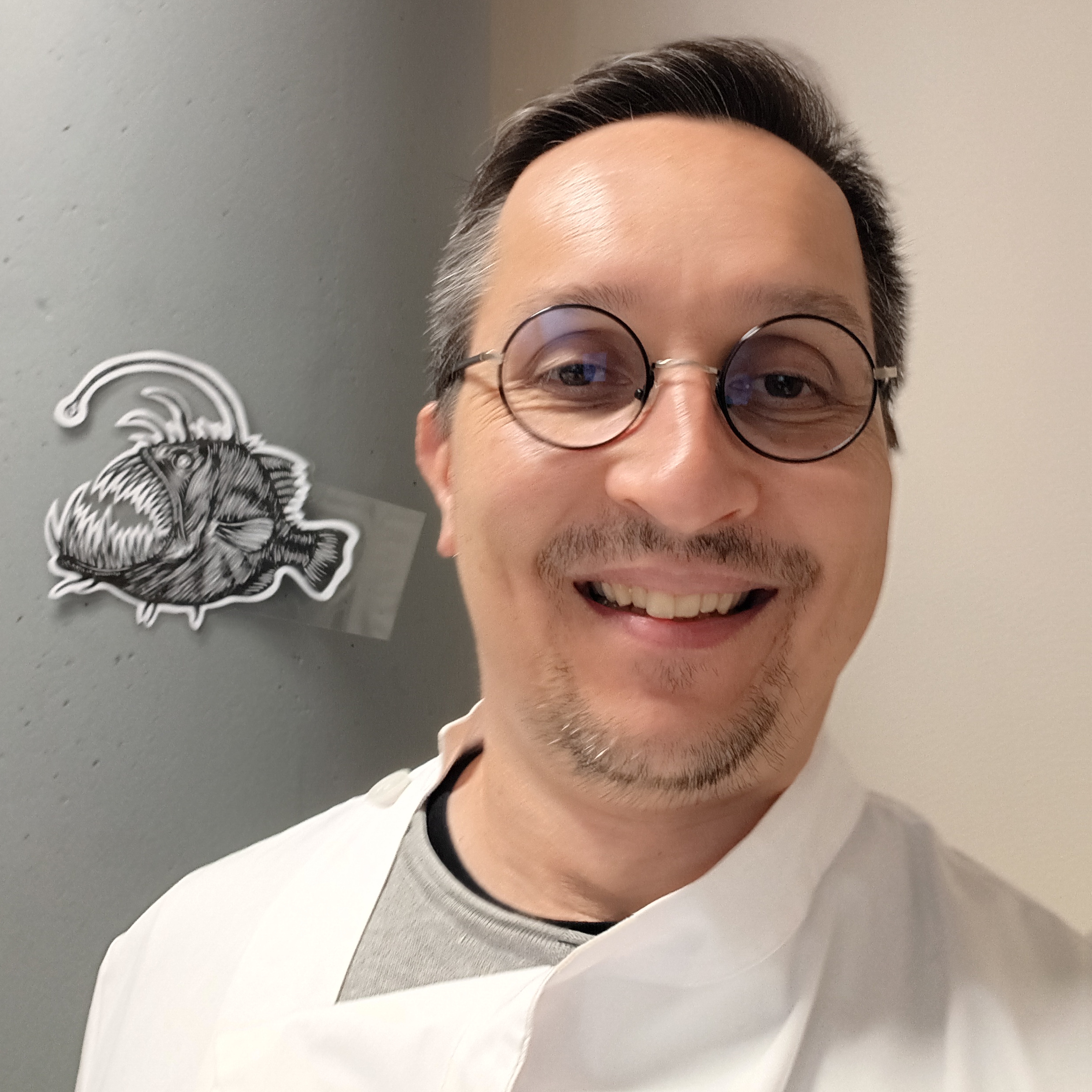
Pedro M. Costa (Lab leader) Assistant Professor I am a biologist specialised in toxicology (ecotoxicology, environmental and biomedical toxicology). I hold a degree in Marine Biology from FCUL, a M.Sc. in Marine Ecology from IST-UTL and a Ph.D. in Environmental Science from FCT-NOVA. My current research between marine environmental research, environmental toxicology, marine biotechnology and, more recently, regeneration biology. Molecular toxicology, Histopathology, Genotoxicology, ‘omics’ and Bioinformatics and some of my strongest domains of expertise. I founded and run the SeaTox Lab @UCIBIO since late 2017, installed at the Department of Life Sciences, where I teach several subjects, mostly related to Toxicology, Genetics, Bioinformatics, Biotechnology and Histology. |
|

|
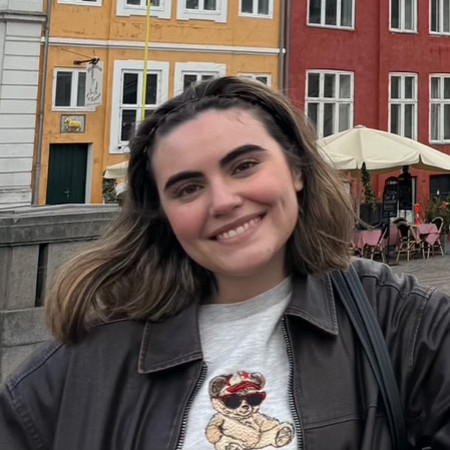
Carolina Madeira Assistant Professor Carolina Madeira holds a PhD in Marine Biology and Aquaculture (University of Lisbon, 2018). She is currently an Assistant Professor of Marine Molecular Biology at NOVA School of Science and Technology and an integrated researcher at the Applied Molecular Biosciences Unit (UCIBIO). Her research is driven by a commitment to understanding and protecting marine biodiversity across levels of biological organization - from molecules to ecosystems - in the context of rapid environmental change. She leads the Marine Omics for Ocean Resilience research line, which investigates how global change drivers, including ocean warming, acidification, and hypoxia, affect marine organisms and ecosystems across the Atlantic Ocean. By integrating multi-omics, physiology, ecology, and systems biology through multilayer network approaches, her work seeks to identify molecular mechanisms, adaptive strategies, species-specific tolerance thresholds, and molecular tipping points that shape marine fauna resilience or vulnerability to environmental stress. Ultimately, her research aims to generate actionable molecular targets and physiological indicators that support biodiversity conservation, fisheries management and aquaculture innovation under future Global Changes |
|

Post-Docs
|
Ana P. Rodrigo Junior Researcher I am a marine researcher with special interest in the fields of marine biotechnology, ecotoxicology and marine environmental science. I have worked within the fields of marine toxicology, addressing the impact of possible pollutants in marine organisms, and marine biotechnology, investigating the biotechnological value of biotoxins from marine annelids. My expertise focuses on marine invertebrates, especially in the physiology of the production of bioactive compounds, their chemical characterisation and the assessment of their potential and other issues of upmost relevance for drug discovery and application in biomedical research. My current work is focused on understanding how organisms can adapt to adverse environmental conditions and provide clues about human susceptibility to disease, by applying multi-omics techniques. |
|

|
Cátia Gonçalves Post-Doctoral Researcher I am a scientist with a Ph.D. in Biotechnology and a M.Sc. in Environmental Engineering, both from FCT-NOVA (2025 and 2013, respectively). I joined the SeaTox Lab team in 2018 as a fellow researcher, where I have expanded my knowledge on toxicology, molecular biology and new histochemical techniques to search for specific substances with biotechnological potential, especially biomedical. Driven by my interest in marine biotechnology, I pursued my PhD at SeaTox Lab, where I explored new functions and biotechnological applications of novel bioactive compounds derived from cephalopod toxins. Currently, I hold a Post-Doctoral researcher position within the project POLLUX, “Porphyrinoid metabolism in marine polychaeta: From ecology to biotechnology”, where I investigate the porphyrinoid metabolism in different species of marine polychaetes. |
|

Ph.D. Students
|
Inês Moutinho Cabral I am currently undertaking a PhD in Biology, where I aim to understand the molecular and cellular mechanisms underlying regeneration in marine annelids. Along my academic career, I was awarded with two research fellowships associated with "The MARVEN Project: The Portuguese biotechnological database for marine animal venoms and toxins" (Fundo Azul, FA_05_2017_007) and with "ExtremeOceans - Unravelling evolutionary physiology landscapes of coastal marine fauna under extreme temperatures using a multi-layer Systems Biology approach" (FCT ip, PTDC/BIA-BMA/1494/2020). I recently completed a Master's degree in Molecular Genetics and Biomedicine (NOVA FCT, 2022). My Master's Thesis was developed at SeaTox Lab and Computational Multi-Omics group, where I aimed to identify marine toxins that may interact with human receptors. This drug discovery approach was encompassed in the research project "WormALL - Marine invertebrates as source of novel biotoxins: Investigating function and application through Polychaeta venomics" (FCT ip, PTDC/BTA-BTA/28650/2017). I graduated in Molecular and Cellular Biology (NOVA FCT, 2019) |
|

|
Catarina Faustino Catarina Faustino holds a Bachelor's degree in Cellular and Molecular Biology and a Master's degree in Molecular Genetics and Biomedicine, both from NOVA School of Science and Technology (NOVA FCT). Since her Master's thesis, in a collaboration between the SEATOX Lab and the Biomolecular Engineering Lab, she developed an incessant curiosity about marine invertebrates and the potential of their bioproducts for marine biotechnology applications. Currently Catarina is doing a Ph.D. in cotutelle between FCT-NOVA (SEATOX Lab and Biomolecular Engineering Lab) and TU Dresden (Politi Group, BCUBE) in Dresden, Germany. Her research is now focused on better understanding cephalopods camouflage by exploring proteins present in their skin that hold potential for the development of sustainable biomaterials. |
|

|
David Silva I am currently a Ph.D. student in Biotechnology, focusing on the distribution of pigment-containing cells in echinoderms, particularly starfish (Asteroidea). During my academic career, I was awarded a research fellowship within the project ProtectInvad—Protection against Invasions in Coastal Aquaculture Systems (ref. MAR-02.02.01-FEAMP-0004). I have also been serving as Assistant Lecturer at the Barreiro School of Technology (ESTB), part of the Polytechnic Institute of Setúbal (IPS). My research experience includes several projects conducted in collaboration with the Portuguese Institute for the Sea and Atmosphere (IPMA), involving the collection and identification of marine organisms from seagrass meadows, offshore environments, and estuarine ecosystems. This work has contributed to technical reports and scientific publications. I hold a bachelor’s degree in biotechnology and a master’s degree in Biological and Chemical Engineering. My master's dissertation, entitled Assessment of the Ecological Status of Benthic Macrofaunal Communities Along the Alentejo Coast, focused on the identification of thousands of benthic organisms through an integrative taxonomic approach, followed by ecological assessment using the AZTI Marine Biotic Index (AMBI). This research was developed within the framework of the ProtectInvad project. |
|

|
João Vitorino My name is João Vitorino, a PhD student, and for the past years I have been a member of the SeaTox Lab team. I have a keen interest in aquatic toxicology and in the effects of pollution on marine organisms. As part of the SeaTox team, I have gained extensive experience working with several marine organisms. My work focuses on studying detoxification mechanisms in mussels, particularly Mytilus galloprovincialis, and how they respond to environnmental stress in complex ecosystems such as the Tagus estuary. By combining histopathological analysis, biochemical biomarkers, and gene expression, I aim to better understand how mussels protect themselves from harmful chemicals, how they reflect the health of their environment, and how these tools can improve the assessment of coastal and estuarine contamination. |
|

|
Ricardo Estevens I am a molecular and cellular biologist with a special interest in marine biotechnology. Since the beginning of my undergraduate programme in Cell and Molecular Biology I developed a strong interest in molecular biology, toxicology and biotechnology, especially when intertwined with the marine environment. For that reason, I decided to pursue a Master’s degree in Biotechnology and now I am undertaking a PhD in Biotechnology where I aim to study the venom composition of weever fish, mainly focused on investigating its proteins and their potential application. Parallelly, I became interested in teaching and organisation of science events, which I believe to be complementary to my passion for multidisciplinary research. |
|

M.Sc. Students
|
Mariana duarte I'm a biomedical scientist with a particular interest in molecular and cellular biology, especially at the intersection with the marine environment. I hold a bachelor’s degree in biomedical sciences from the University of Algarve and am currently completing a Master's degree in Biochemistry at NOVA FCT, with my thesis developed within Seatox Lab as part of the project "POLLUX." My current work involves collecting polychaete annelids (Hediste diversicolor and Eulalia viridis) along the Portuguese coast, extracting DNA/RNA from biological samples, and analysing the expression of key genes in the haem biosynthesis pathway (UROS, UROD, and FECH). This is complemented by phylogenetic analysis and histological characterization, allowing me to assess the physiological condition of these organisms and understand how porphyrinoid pigments are regulated across tissues. |
|

Research fellows
|
Margarida Leite I am currently a research fellow at the SeaTox Lab, where I am involved in the project “POLLUX - Porphyrinoid metabolism in marine polychaeta: From ecology to biotechnology". My current work focuses on collecting polychaete annelids on the Portuguese mainland coast, extracting DNA/RNA from biological samples, analysing gene sequences and expression, and evaluating the physiological and pathological condition of polychaetes. I recently graduated with a Bachelor’s degree in Cell and Molecular Biology (FCT-NOVA, 2026). During my studies, my academic interests focused primarily on understanding cellular and molecular mechanisms and biotechnology, which motivated me to pursue research in the field of marine molecular sciences. |
|
Associate members
| Mariaelena D'Ambrosio (post-doc currently at IPMA) |
| Madalena Missionário (Ph.D. student currently at the University of Aveiro) |
| Inês Padrão (doctorate research fellow at the BioMEng Lab, Department of Chemistry, NOVA FCT) |